
Monday
8:00 am - 5:00 pm
Tuesday
8:00 am - 5:00 pm
Wednesday
8:00 am - 5:00 pm
Thursday
8:00 am - 5:00 pm
Friday
8:00 am - 1:00 pm
Saturday
Closed
Sunday
Closed

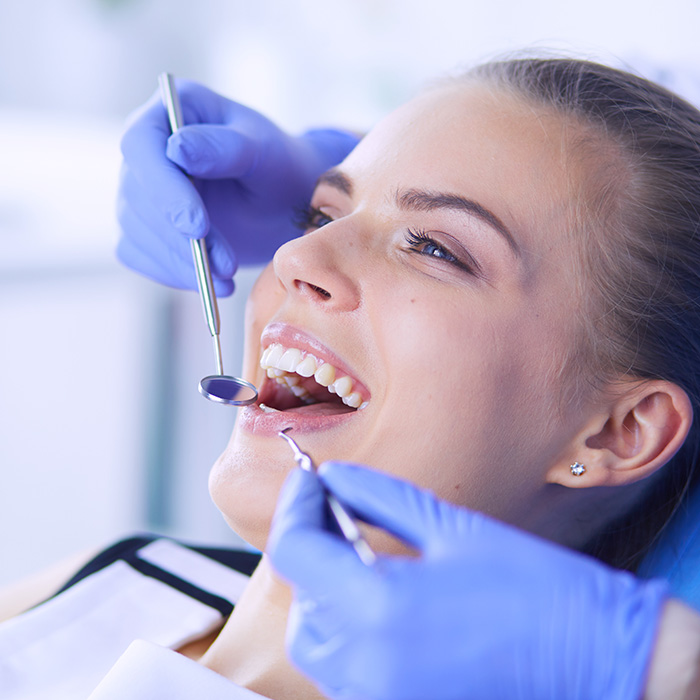
At the office of The Prosthodontic Center of Beverly Hills, we prioritize prevention because early detection makes treatment simpler and outcomes more predictable. Routine oral exams are the foundation of long-term dental health: they allow us to catch developing problems before they cause pain or permanent damage, and they guide personalized care plans that fit each patient's needs and goals. Our preventive services include thorough clinical examinations, professional cleanings, targeted oral cancer screenings, and practical guidance on daily hygiene and nutrition.
The initial exam is about more than checking boxes — it’s an opportunity to listen, learn, and build a complete picture of your oral health. We begin by reviewing your medical and dental history and discussing any concerns or symptoms you may have. Understanding medications, past treatments, and lifestyle factors helps us interpret what we see during the clinical evaluation.
Next comes a methodical clinical assessment: teeth, gums, soft tissues, and the structures that support them are inspected for signs of decay, inflammation, wear, or infection. We evaluate your bite and jaw motion to detect clenching, grinding, or temporomandibular joint dysfunction, and we look closely for subtle changes in soft tissues that could warrant further attention.
Diagnostic images are selected when they will add meaningful information to the exam. When appropriate, we take radiographs to see beneath the surface and confirm our clinical impressions. After the evaluation, we summarize findings in clear, practical terms and outline any recommended follow-up or preventive steps so you know exactly what to expect.

Oral health is deeply interconnected with overall health. Changes in the mouth can reflect systemic conditions, and conversely, chronic dental problems can influence other systems in the body. During an oral exam we screen not only for dental disease but also for indicators that may suggest broader health concerns, such as unusual oral lesions, persistent dry mouth, or signs of infection that might require medical collaboration.
Researchers continue to uncover links between poor oral health and conditions such as cardiovascular disease, diabetes, respiratory illnesses, and certain neurological conditions. While an oral exam does not diagnose systemic disease, our team is trained to recognize oral signs that merit referral to your physician or further investigation. Early recognition of these signs can help patients pursue necessary medical care sooner.
Equally important is identifying causes of oral symptoms that originate outside the mouth. Nutritional deficiencies, medications, autoimmune conditions, and other health issues can produce symptoms like bad breath, gum sensitivity, or mucosal changes. We take a comprehensive approach so that dental care supports—not competes with—your broader health plan.
Because the mouth often shows early signs of wider health problems, regular dental exams serve as an added level of routine health surveillance. This collaborative mindset helps us coordinate care when appropriate and support better long-term outcomes for our patients.

Strong home care is essential, but professional cleanings remove hardened deposits and bacteria that daily brushing and flossing can miss. During a routine visit, our hygienists gently clean above and below the gumline, polish teeth, and remove plaque and tartar that contribute to decay and periodontal disease. These visits not only freshen your smile but also interrupt the disease process at its earliest stages.
Routine checkups are also an opportunity for targeted education and habit coaching. We tailor guidance on brushing technique, flossing methods, and the use of interdental aids so you can maintain oral health more effectively between visits. For patients who grind their teeth or snore, we discuss preventive options and behavioral strategies that can reduce damage and improve function.
For children, routine visits set the stage for a lifetime of healthy habits. We monitor tooth development and jaw growth, provide age-appropriate instruction, and advise on preventive measures such as sealants when indicated. For adults, regular monitoring helps detect small changes — a new area of sensitivity, early gum recession, or developing wear patterns — long before they escalate into major restorative needs.
Most patients benefit from regularly scheduled exams and cleanings so that the dental team can maintain continuity of care, spot trends over time, and intervene early when treatment is required. This proactive rhythm is one of the simplest ways to protect your smile and avoid more complex care later on.
Visual examination is essential, but radiographs reveal what cannot be seen on the surface. Digital x-rays let us examine tooth roots, underlying bone, and areas between teeth where decay often starts. They also help us identify infections, bone loss, impacted teeth, and developmental issues that influence treatment choices.
Modern digital radiography offers several practical advantages: lower radiation exposure compared with older film techniques, rapid image acquisition for immediate review, and easy integration with digital records and treatment-planning tools. Images can be magnified, enhanced, and shared with specialists when collaborative care is needed, which improves diagnostic accuracy and coordination.
Because every patient’s needs are different, we customize the type and frequency of radiographs. Our approach balances diagnostic value with prudent radiation use, following established guidelines so you receive the information necessary to care for your teeth and supporting structures without unnecessary exposure.
Reduced exposure compared with traditional film-based methods
Immediate image review to support same-visit conversations
Easier sharing with specialists and secure storage in your electronic chart
Environmentally friendlier—no chemical developers or film waste
Images can be enhanced for clearer interpretation and treatment planning
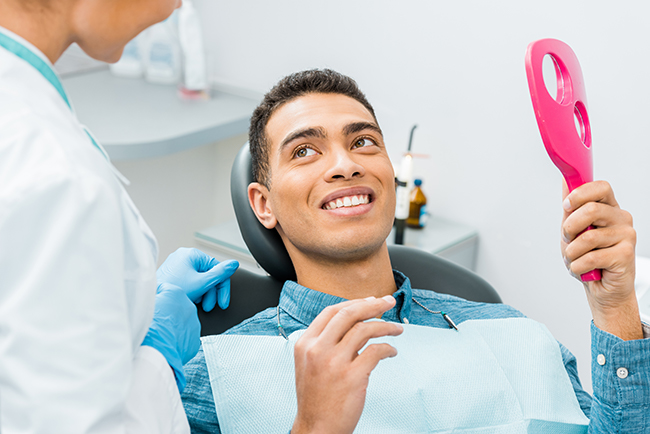
Not all x-rays are the same. The selection of diagnostic images depends on what we need to evaluate. Small, focused films let us look closely at one tooth and its surrounding bone, while broader images give an overview of jaw relationships, tooth development, and areas that might be missed on smaller images.
Periapical x-rays show the entire length of a single tooth from crown to root and are useful for assessing root health and nearby bone. Bitewing x-rays highlight the upper and lower teeth in a small area and are especially helpful for detecting early decay between teeth. A full-mouth series combines multiple views to document the condition of all teeth and surrounding structures.
A panoramic film provides a two-dimensional overview of both jaws and is valuable for visualizing impacted teeth, overall tooth position, and significant changes in the jawbones. For more complex needs—such as surgical planning or implant placement—we may recommend three-dimensional imaging using cone-beam computed tomography (CBCT), which produces detailed 3D views of the teeth, bone, and adjacent anatomy.
When we recommend any imaging, it’s because that image will materially improve diagnosis or treatment planning. We explain the purpose of each film and how it informs your care so you can make informed choices about your treatment path.
Regular oral exams are a practical, effective way to protect your smile and support your overall health. If you have questions about what to expect during an exam or whether it’s time for your next visit, please contact us for more information.
A routine oral exam is a systematic evaluation of the teeth, gums, soft tissues and supporting structures to assess current health and spot early problems. The clinician inspects for cavities, gum inflammation, wear patterns and any signs of infection or abnormal tissue. They also assess bite alignment and jaw motion to detect clenching, grinding or temporomandibular concerns. This clinical review sets the stage for appropriate preventive or restorative planning.
Medical and dental history is reviewed to understand risk factors such as medications, systemic conditions and past treatments. When indicated, the team will select diagnostic imaging to reveal issues beneath the surface that cannot be seen visually. The provider summarizes findings in clear, practical language and outlines recommended follow-up or preventive steps. Patients leave with specific guidance about next steps and how to protect their oral health between visits.
Frequency of oral exams is personalized based on each patient’s risk profile and current oral health. Many patients benefit from exams and cleanings every six months, while others with higher risk factors or complex restorative needs may require more frequent monitoring. Your dentist will recommend a schedule that balances preventive value with your individual circumstances. Regular visits help the team spot trends and intervene early when treatment is needed.
Risk factors that can influence exam frequency include a history of periodontal disease, frequent dental decay, tobacco use, certain systemic conditions and a history of head and neck radiation or oral pathology. Changes in medications, pregnancy or new health diagnoses may also prompt shorter recall intervals. Staying on the recommended schedule supports long-term oral stability and reduces the likelihood of unexpected problems. The practice updates your recall plan as your needs change over time.
Oral exams are a key component of whole-body wellness because the mouth often reflects systemic health issues and can influence other bodily systems. Persistent gum inflammation, oral lesions and dry mouth may signal nutritional deficiencies, autoimmune conditions, medication side effects or metabolic disease. Detecting these signs early allows for timely medical collaboration and referral when appropriate. This collaborative approach supports better outcomes beyond the mouth.
Researchers have documented associations between poor oral health and conditions such as cardiovascular disease, diabetes and respiratory infections, making dental surveillance an important adjunct to general health care. While an oral exam does not diagnose systemic disease, dentists are trained to recognize oral manifestations that warrant further investigation. Communicating findings with your physician can help coordinate care and address underlying causes. Regular dental visits provide an additional layer of routine health screening that complements medical care.
Your first visit is focused on listening, documentation and establishing an individualized baseline of oral health. We review your medical and dental history, discuss any concerns or symptoms, and examine teeth, gums, soft tissues and jaw function to identify current issues and risk factors. Diagnostic images are obtained only when they add meaningful information to the exam and support accurate diagnosis. The visit concludes with a clear summary of findings and a tailored plan for preventive care or any necessary treatment.
The initial exam also includes practical guidance on home care and lifestyle factors that affect oral health, such as oral hygiene technique, nutrition and habits like grinding or tobacco use. If further evaluation or specialist collaboration is needed, we explain the reasons and coordinate next steps. Our objective is to create a comfortable, informative first experience that establishes a partnership in your long-term oral health. Follow-up appointments and recall intervals are set based on the individualized plan discussed during the visit.
Dental x-rays reveal anatomy that cannot be seen with a visual exam alone, including tooth roots, interproximal areas between teeth and supporting bone. Digital radiography allows the team to detect early decay, root problems, bone loss and other conditions that influence treatment choices. Images are acquired quickly, reviewed with the patient and integrated into the treatment plan to improve diagnostic accuracy. Modern digital systems also expose patients to minimal radiation compared with older film techniques.
We customize the type and frequency of imaging to each patient’s needs, balancing diagnostic benefit with prudent radiation use according to accepted guidelines. Common imaging types include bitewings for detecting interproximal decay, periapicals for root and bone assessment, panoramic films for an overview of the jaws, and cone-beam CT when three-dimensional detail is required. Each recommended image is explained so patients understand how it informs diagnosis and treatment. Secure storage and easy sharing with specialists support coordinated care when collaboration is needed.
Yes, a thorough oral exam includes screening for signs of oral and oropharyngeal cancer as a standard component of preventive care. The clinician inspects the lips, tongue, floor of mouth, cheeks, palate and throat area for unusual lesions, discolorations, lumps or areas that do not heal. Risk factors such as tobacco use, heavy alcohol use and certain viral infections are reviewed as part of the assessment. Early detection of suspicious findings improves the likelihood of successful treatment and more favorable outcomes.
If an abnormal area is identified, the team documents its appearance, performs targeted evaluation and discusses next steps, which may include monitoring, adjunctive diagnostic tests or referral for biopsy. Patients receive clear explanations about why further evaluation is recommended and how follow-up will be coordinated. Maintaining routine exams increases the chance of identifying early changes when intervention is most effective. Screening is performed respectfully and efficiently as part of the overall clinical exam.
During an oral exam the clinician assesses occlusion (how the teeth meet), jaw range of motion and muscle tenderness to identify bite abnormalities and temporomandibular joint (TMJ) dysfunction. Wear patterns on the teeth, fractures, enamel loss and muscle fatigue can all signal parafunctional habits such as clenching or grinding. The exam may include functional tests and careful observation of joint sounds or deviations during opening and closing. These findings guide conservative management, monitoring or referral when specialized care is needed.
Treatment options discussed after assessment can range from behavioral strategies and nightguards to physical therapy or occlusal adjustments when indicated. The goal is to reduce symptoms, protect dental structures and preserve function while addressing underlying causes. Education about habit modification, stress management and sleep hygiene is often part of the plan. Regular follow-up allows the team to track changes and modify interventions as needed to protect oral health and comfort.
Professional cleanings remove hardened plaque (calculus) and biofilm from above and below the gumline, areas that toothbrushes and floss may miss. Hygienists use careful scaling, polishing and, when needed, subgingival care to reduce inflammation and lower the bacterial load that contributes to decay and periodontal disease. These procedures help interrupt disease progression and preserve supporting tissues. Cleanings also refresh the mouth and provide visual feedback about oral hygiene effectiveness.
Checkup visits with professional hygiene are also an opportunity for individualized education and coaching on brushing technique, flossing methods and the use of interdental aids. The hygienist monitors pockets, gum recession and other trends over time so the clinical team can intervene early when changes occur. For patients with specific concerns such as sensitivity or staining, the hygiene visit includes tailored recommendations to address those issues. Consistent professional care supports long-term stability and reduces the need for more invasive treatments.
Oral exams for children emphasize growth and development, preventive counseling and the establishment of positive habits, while exams for adults often focus on monitoring chronic conditions and restorative needs. For pediatric patients, clinicians evaluate tooth eruption patterns, jaw growth, spacing and the development of occlusion, and they discuss age-appropriate home care, fluoride and sealant options. Visits are also used to educate parents about diet, oral habits and injury prevention. Creating a comfortable, reassuring environment helps children build trust and a foundation for lifelong care.
Adult exams place additional emphasis on monitoring periodontal health, wear patterns related to grinding, the integrity of restorations and systemic health interactions that affect the mouth. Older adults may require special attention to dry mouth, medication effects and prosthetic maintenance. Recall intervals and diagnostic imaging are tailored to the patient’s stage of life, risk profile and treatment history. Across all ages, the goal is individualized care that supports long-term oral function and comfort.
Prepare for an oral exam by bringing an updated list of medications, a summary of recent medical changes and any relevant dental records if you are a new patient. Note any symptoms, pain, sensitivity or changes in your mouth so you can describe them clearly during the visit. Continue your normal oral hygiene routine before the appointment and avoid heavy foods or tobacco immediately beforehand to help the clinician evaluate tissues accurately. If you have dental x-rays from another office, bring copies to assist with comprehensive assessment and planning.
Communicate goals and concerns with the team at the start of the visit so your care is aligned with your priorities, whether that is prevention, function or esthetics. If you have anxiety about dental visits, let the staff know so appropriate comfort measures can be offered. For patients coming to The Prosthodontic Center of Beverly Hills from out of the area, arriving a few minutes early to complete health forms helps ensure the visit starts smoothly. Clear communication and preparation make the exam more efficient and more beneficial for patients.