
Monday
8:00 am - 5:00 pm
Tuesday
8:00 am - 5:00 pm
Wednesday
8:00 am - 5:00 pm
Thursday
8:00 am - 5:00 pm
Friday
8:00 am - 1:00 pm
Saturday
Closed
Sunday
Closed

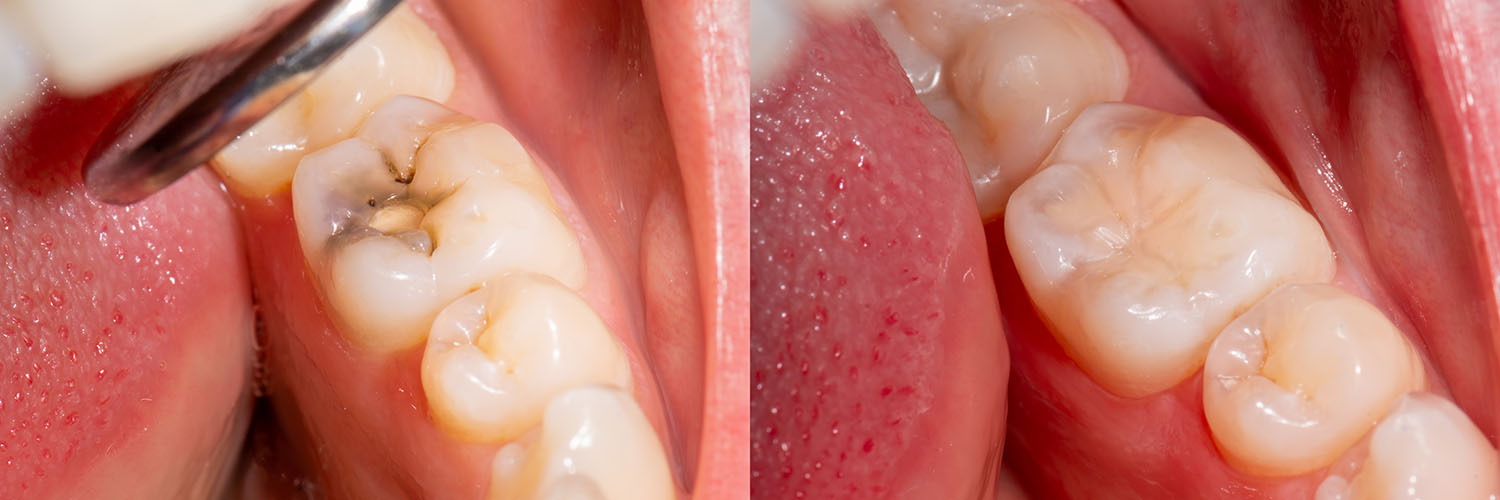
When decay or a small fracture affects a tooth, a composite filling restores both strength and appearance while preserving as much natural structure as possible. Composites are resin-based, tooth-colored materials that can be carefully matched to the shade and translucency of the surrounding teeth, making them an excellent choice for visible areas of the mouth as well as posterior teeth that need reliable function.
Because composite material bonds directly to enamel and dentin, less healthy tooth needs to be removed compared with some traditional restorations. That conservative approach helps maintain the tooth’s long-term integrity and reduces the need for more extensive treatment later on. In many cases, a filling will reinforce the remaining tooth rather than simply filling a void.
At The Prosthodontic Center of Beverly Hills, our placement techniques prioritize precision and longevity. We assess each cavity, consider the tooth’s role in your bite, and select a restorative approach designed to blend aesthetics with durability. The goal is a restoration that looks natural and supports everyday function.
Composite fillings offer a number of practical benefits beyond their natural appearance. They are metal-free and mercury-free, which many patients prefer for health and aesthetic reasons. Because composites are applied in layers, the restoration can be sculpted to closely match the tooth’s original contours, making repair and adaptation easier for the clinician.
One of the key advantages is the adhesive bond that forms between the composite and the tooth. This bond seals margins against bacterial penetration and often allows for a more conservative preparation. Eliminating or minimizing metal also removes visible dark lines at restoration margins that can develop over time with older materials.
Durability has improved substantially with modern composite formulas. For many types of cavities—especially small to moderate ones—contemporary composites provide durable service when combined with careful technique and regular dental care. They perform well under normal chewing forces and are suitable for both anterior and many posterior restorations.

The process begins with a careful diagnosis. X-rays and a clinical exam determine the size and location of the cavity and whether a filling is the right choice. When treatment is scheduled, we typically numb the area with local anesthesia so you remain comfortable while the decayed material is removed.
Composite resin is applied in thin layers, with each layer light-cured to harden it before the next is placed. This incremental technique reduces shrinkage and gives the clinician fine control over the shape of the restoration. Once the final layer is cured, the tooth is carefully shaped and polished to create smooth contacts and a comfortable bite.
Because the composite bonds to the remaining tooth, less drilling is often required than with older materials. The procedure is commonly completed in a single visit. For patients who feel anxious, sedation dentistry is available and can be discussed as part of your treatment plan to ensure a calm, comfortable experience.
It’s normal to experience some temporary numbness following local anesthesia; take care not to bite your lips, cheeks, or tongue until sensation returns. Mild sensitivity to hot or cold stimuli can occur for a few days as the tooth adjusts to its restored form. Most sensitivity resolves on its own, but persistent or worsening pain should be evaluated promptly.
To help a filling last, maintain consistent oral hygiene—brushing twice daily with fluoride toothpaste, flossing daily, and keeping routine dental visits for professional exams and cleanings. Avoiding excessive forces, such as using teeth as tools or chewing on very hard objects, will also protect the restoration and the surrounding tooth.
Should you notice a rough edge, a high spot when biting, or renewed sensitivity, contact us so we can assess and, if necessary, make minor adjustments. Regular checkups allow us to monitor restorations and catch early signs of wear or recurrent decay before they become bigger problems. Routine care at The Prosthodontic Center of Beverly Hills is part of an effective strategy to preserve restorations and overall oral health.
While composite fillings are appropriate for many cavities, there are situations where a different restoration is a better long-term solution. Very large cavities, extensive fracture, or teeth with significant structural loss may be better served by an inlay, onlay, or full-coverage crown that restores strength across a broader surface.
Teeth that have previously undergone root canal treatment, or that have recurrent decay beneath an existing restoration, may require more comprehensive care to protect the remaining tooth structure. In those cases, we evaluate options that balance conservation with durability so the tooth can continue to function comfortably for years.
As a prosthodontic practice, we consider the full scope of restorative choices and how each one affects bite relationships, aesthetics, and long-term prognosis. When a filling is appropriate, we take care to execute it precisely; when a different restoration is indicated, we explain the reasons and the expected benefits so you can make an informed decision.
Our approach emphasizes predictable outcomes that restore comfort, function, and natural appearance while protecting your long-term oral health. If you have questions about composite fillings, alternatives, or which option is best for a particular tooth, please contact us for more information.
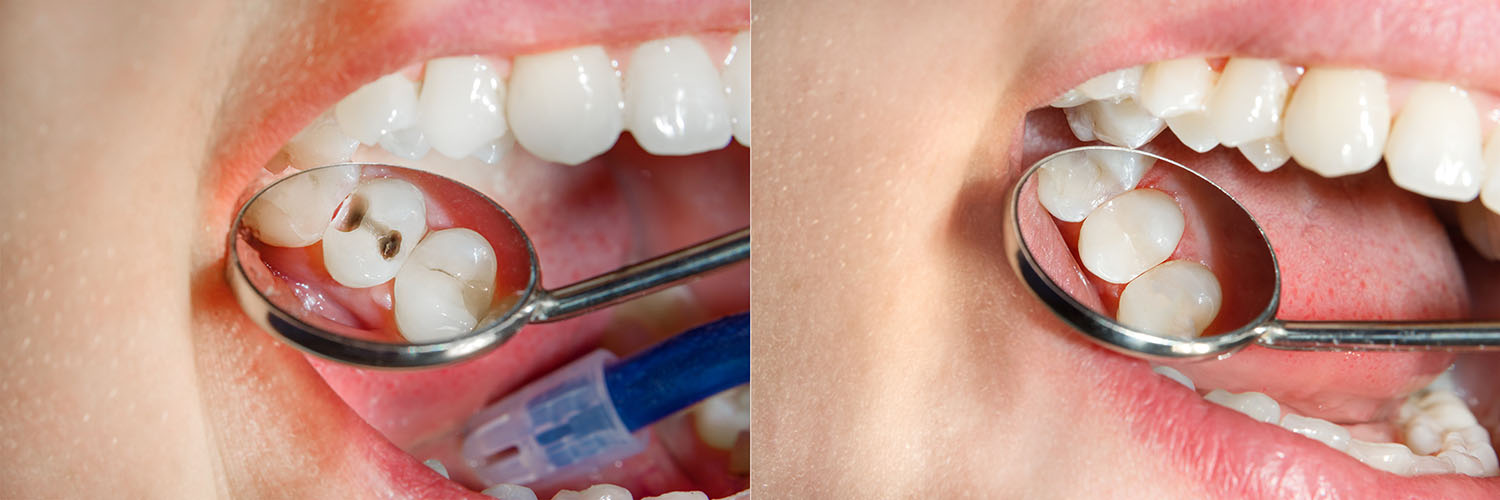
Dental fillings are restorations placed to repair teeth that have been damaged by decay or small fractures, restoring both form and function. They fill cavities and rebuild tooth surfaces so the tooth can withstand normal chewing forces. Fillings are often the first line of treatment for limited structural damage and can prevent the need for more extensive care.
Modern tooth-colored composite fillings are widely used because they blend with natural teeth and can be applied conservatively. Composites are appropriate for visible anterior teeth and many posterior teeth when decay is limited in size. For personalized recommendations, patients can consult with The Prosthodontic Center of Beverly Hills about whether a filling is the best option for a particular tooth.
Tooth-colored composite fillings are resin-based materials that combine a polymer matrix with glass or ceramic filler particles to provide strength and polishability. Different formulations, such as microhybrid and nanofill composites, offer varying balances of wear resistance and aesthetics, and shade-matching systems allow the restoration to mimic natural translucency and color. Bonding agents are used to create an adhesive interface between the composite and the tooth structure.
Composite restorations are metal-free and mercury-free, which many patients prefer for health and cosmetic reasons. Because composites are layered and sculpted, clinicians can closely reproduce natural contours and contacts, making the restoration both functional and visually integrated. Advances in composite chemistry have improved durability and handling over time.
Composite fillings bond directly to enamel and dentin, which allows the dentist to remove less healthy tooth structure during preparation. This adhesive approach preserves more of the natural tooth, maintaining strength and reducing the likelihood of future restorative cycles. In many cases the bonded composite reinforces the remaining tooth rather than merely filling a void.
Because less drilling is required, the conservative technique can delay or eliminate the need for larger restorations such as inlays, onlays, or crowns. The adhesive seal also helps protect margins from bacterial penetration when placed with proper technique. Overall, preservation of tooth structure supports long-term oral health and simplifies future care if additional treatment becomes necessary.
The procedure begins with a clinical exam and appropriate imaging to determine the size and location of decay, followed by local anesthesia to ensure comfort. The dentist removes decayed or weakened tooth material and prepares the surface for bonding, taking care to preserve as much healthy structure as possible. Isolation and moisture control are important to achieve a durable bond between the composite and the tooth.
Composite resin is applied incrementally in thin layers and each layer is light-cured to harden it before the next is placed, which minimizes shrinkage and allows precise shaping. Once the final layer is cured, the restoration is contoured, polished, and checked for proper contacts and bite alignment. For patients with dental anxiety, sedation options can be discussed as part of the treatment plan to promote a calm, comfortable visit.
Contemporary composite materials have improved considerably and provide durable performance for many small to moderate cavities when combined with careful technique. They resist normal chewing forces and can last for many years, but longevity depends on factors such as the size and location of the restoration, the patient’s bite, and oral hygiene habits. Proper fit, finishing, and occlusal adjustment at placement also influence long-term success.
Patient-related factors like bruxism, diet, and oral care routines affect how long a filling will function without issues. Regular dental examinations allow your clinician to monitor wear, marginal integrity, and any signs of recurrent decay so problems can be addressed early. When composites show wear or failure, the restoration can often be repaired or replaced depending on the clinical situation.
It is common to experience temporary sensitivity to hot, cold, or chewing after a filling as the tooth adjusts to the restoration and changes in stimulation. Mild sensitivity usually subsides within a few days to a couple of weeks as the pulp adapts and any local inflammation resolves. Persistent or worsening pain should be evaluated promptly to rule out issues such as an improperly occluding restoration or deeper pathology.
Management strategies include avoiding very hot or cold foods for a short period, using a desensitizing toothpaste, and following up with the dentist for minor adjustments if you feel a high spot when biting. If sensitivity continues, the dentist may evaluate for recurrent decay, a cracked tooth, or the need for additional treatment to protect the pulp. Early communication with your dental team helps address sensitivity before it progresses to a more significant problem.
Good oral hygiene is the foundation for preserving fillings: brush twice daily with fluoride toothpaste, floss daily, and limit frequent exposure to sugary or acidic foods and beverages. Avoid using teeth as tools and refrain from chewing on very hard objects, which can crack restorations and natural tooth structure. A balanced diet and attention to habits such as nail biting or ice chewing also reduce undue stress on restorations.
Regular dental checkups allow the clinician to monitor fillings for marginal breakdown, wear, or recurrent decay and to perform professional cleanings that maintain oral health. During exams the dentist will check contacts and occlusion and make minor adjustments if needed to prevent premature wear. Timely intervention for small problems helps prolong the life of restorations and protects surrounding teeth.
A filling may not be appropriate when a cavity is very large, when a tooth has extensive structural loss, or when multiple surfaces are involved to the point that a direct restoration would not provide sufficient strength. In such cases indirect restorations like inlays, onlays, or full-coverage crowns can restore form and function across a broader area and protect remaining tooth structure. Teeth that have had root canal therapy or recurrent decay beneath an existing restoration often require more comprehensive rebuilding.
Decisions about the optimal restoration balance conservation with durability and long-term prognosis, taking into account the tooth’s role in the bite and aesthetic considerations. A prosthodontic evaluation assesses these factors and presents alternatives with clear explanations of expected benefits and trade-offs. This approach helps patients make informed choices that align with their oral health goals.
Small defects such as marginal staining, minor chipping, or slight loss of polish can often be repaired without removing the entire restoration, preserving healthy tooth structure. Signs that a filling may need attention include rough edges, a change in the way the bite feels, persistent sensitivity, or X-ray evidence of recurrent decay beneath the restoration. The decision to repair versus replace is based on the extent of deterioration and the ability to achieve a durable, sealed restoration.
When replacement is necessary, dentists aim to preserve as much natural tooth as possible while restoring function and aesthetics. For larger failures or recurrent problems, an indirect restoration may offer improved longevity and protection. Regular monitoring during dental visits ensures that small issues are caught early and managed conservatively whenever feasible.
A prosthodontic practice emphasizes comprehensive assessment, considering not only the individual tooth but also bite relationships, aesthetics, and the patient’s long-term oral health goals. Treatment planning involves diagnostic imaging, occlusal analysis, and discussion of restorative options that balance conservation with durability, taking both functional and cosmetic outcomes into account. The plan is tailored to the patient’s needs and may include staged care to protect and preserve teeth over time.
At The Prosthodontic Center of Beverly Hills we prioritize predictable outcomes and patient education, explaining why a particular restoration is recommended and what to expect from treatment. When appropriate, we coordinate care with specialists to address complex cases and ensure that restorative choices support long-term function and appearance. Patients are encouraged to ask questions and participate in decisions so that the selected treatment aligns with their expectations and oral health priorities.